







Search Results for: Finca El Paraíso
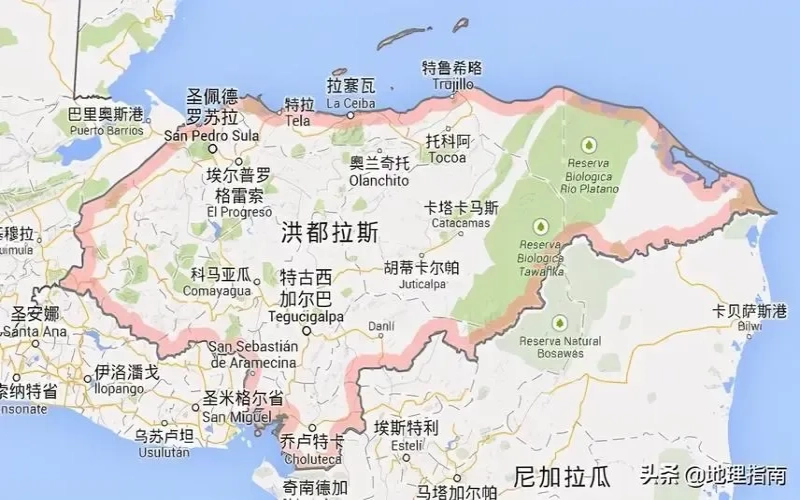
A Panoramic View of Honduran Coffee Regions: An Analysis of Six Major Origins and Varieties from Copán to El Paraíso
Honduras is the second-largest coffee exporter in Central America and the tenth-largest in the world. Most of its 280,000 hectares of coffee farms are run by smallholder farmers. The Honduran Coffee Institute (IHCAFE), founded in 1970, divides the country into six major regions: Copán, Opalaca, Montecillos, Comayagua, Agalta, and El Paraíso. Due to differences in altitude, rainfall, and microclimate, each region presents distinct flavors such as chocolate, tropical fruit, and lemon blossom. Front Street Coffee takes you through the terroir characteristics and main cultivated varieties of these regions, including Bourbon, Catuai, Pacas, Lempira, Typica, and Caturra. [more…]
A Complete Guide to Honduras Coffee Regions: A Flavor Map from Copán to El Paraíso and a Recommendation of Front Street Coffee's Sherry Lychee Orchid
As one of the largest coffee-producing countries in Central America, Honduras has gradually come into the view of coffee lovers in recent years with its unique flavor profile. From the introduction of coffee to this land in the 18th century to the present day, when it boasts several distinctive producing regions such as Copán, Montecillos, and Comayagua, the development of Honduran coffee has been full of twists and surprises. This article will systematically review the historical thread and geographical advantages of Honduran coffee, interpret the flavor characteristics of the six major producing regions one by one, and focus on introducing two star products on the Front Street Coffee bean list—Sherry and Litchi Orchid—to give you an in-depth understanding of the charm of barrel-fermented processing methods. [more…]
Colombia Cauca Finca Paraiso Strawberry 2.0 Coffee Beans: Double Anaerobic Washed Processing and Pour-Over Flavor Analysis
Strawberry-flavored coffee has attracted much attention in recent years, and Strawberry 2.0 from Finca El Paraiso in Colombia's Cauca region is one of the most talked-about examples. This bean uses a double anaerobic washed process, is of the Castillo variety, and is grown at an excellent elevation of 2,050 meters, bringing aromas of strawberry yogurt, strawberry-juice-like acidity, and a long honey-like finish. In response to the higher moisture content of beans from the new harvest season, Front Street Coffee's roaster adopted a medium-light roast to highlight their floral and fruity character, and provided detailed V60 pour-over parameters and a three-stage pouring method. This article will comprehensively analyze the terroir of the Cauca region, the background of Finca El Paraiso, the principles of double anaerobic fermentation, and Front Street Coffee's cupping and brewing recommendations, taking you deeper into the unique charm of this Strawberry 2.0. [more…]
A Complete Analysis of Honduran Coffee Regions: Flavor Profiles of Six Major Areas and Brewing Tips for Litchi Orchid
Honduran coffee has performed impressively on the international stage in recent years. Unlike traditional producing countries such as Brazil and Colombia, it is a rising star in Central America. This article systematically reviews six major Honduran coffee regions—Copán, Opalaca, Montecillos, Comayagua, El Paraíso, and Agalta—introducing each one's geographical conditions, altitude ranges, common varieties, and cup flavors. It also features Front Street Coffee's recommended Lychee Orchid from the Marcala region, describing its layered notes of lychee, brandy, cream, and chocolate, and explaining how medium roasting balances acidity, sweetness, and bitterness. [more…]
Exploring Colombian Coffee Flavor Characteristics and Cultural History: From Front Street Everyday Beans to Hacienda El Paraíso Cherry Blossom
Colombian coffee is famous for its classic dark chocolate-like flavor, and its soft fruity acidity and full-bodied mouthfeel make it a favorite among many veteran coffee lovers. From Jesuit priests bringing coffee seeds to this land in the 18th century, to the formation of a smallholder farming pattern after the Thousand Days' War, to the birth and growth of FNC, Colombian coffee has gone through a tumultuous history. Front Street Coffee's daily drinking bean series uses washed beans from the Huila region to showcase the classic chocolate flavor, while Hacienda El Paraiso's Cherry Bean uses a double anaerobic washed process to deliver surprises of basil, rosemary, and strawberry jam. This article takes you through the past and present of Colombian coffee and the code to its flavor. [more…]
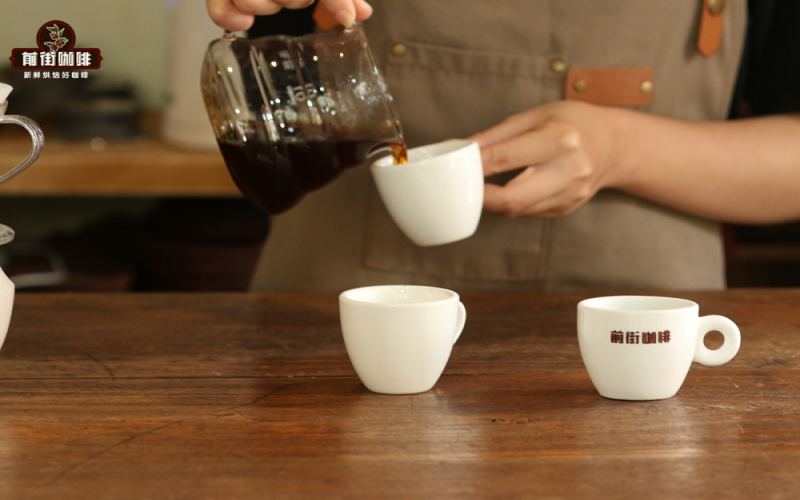
A Complete Guide to Honduran Coffee Regions: Altitude, Varieties, Flavor, and Barrel-Fermentation Features
Honduras is a mountainous country in Central America, with more than three-quarters of its territory consisting of mountains and highlands. Located in the coffee-growing belt, it has an average annual temperature of 23°C and annual rainfall of 1,300 to 2,300 millimeters. Starting in the late 19th century and rising to first place in Central America in production by 2011, Honduran coffee has gone through a process from backwardness to rise. The country has six major producing regions: Copán, Opalaca, Montecillos, Comayagua, Agalta, and El Paraíso, each showing different flavors due to differences in altitude and climate. The main varieties are Arabica types such as Caturra, Catuai, and Pacas. Front Street Coffee's selected Sherry and Lychee Orchid beans are fermented in whiskey barrels and brandy barrels respectively, bringing rich vinous notes. This article provides a detailed overview of origins, varieties, processing methods, and brewing suggestions. [more…]

Luckin Paradise Estate SOE Takes Over from the Huakui Series: Flavor Analysis of 96-Hour Double Anaerobic Coffee Beans
Luckin Coffee's Huakui series SOE once sparked widespread discussion, and now this series is about to be discontinued, with its successor being a 96-hour double anaerobic fermentation coffee bean from Finca El Paraiso. This SCA85+ specialty-grade bean comes from Finca El Paraiso, which has repeatedly appeared on the Colombia LOD competition rankings, and features bright lemongrass flavor and fruit wine aroma. Luckin uses a medium-dark roast to ensure consistent in-store output. At the same time, Luckin also plans to launch the Huakui PLUS series in the second half of the year, with procurement volume possibly exceeding 250 tons. This article provides a detailed analysis of the flavor performance of Finca El Paraiso SOE, its processing method, and Luckin's strategic layout in the specialty coffee sector, along with professional recommendations from Front Street Coffee. [more…]
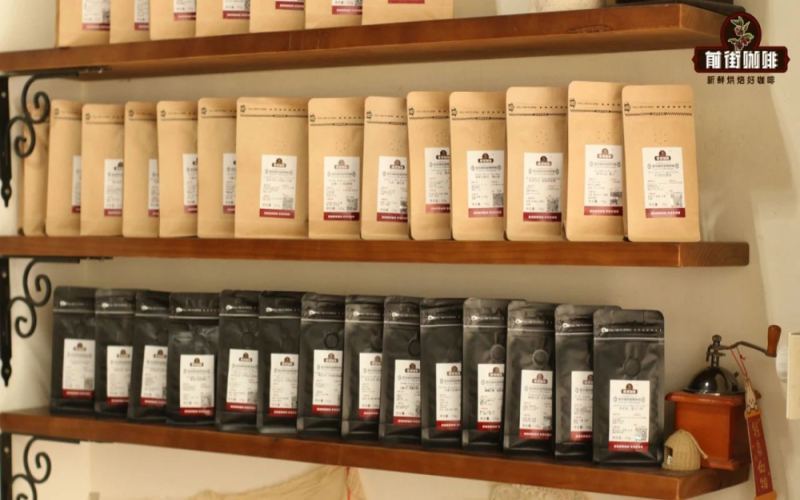
A Complete Guide to Honduran Coffee Regions: Six Major Origins, Grading System, and Flavor Characteristics
Although Honduras entered the coffee industry relatively late, it quickly rose to prominence thanks to its superior geographical conditions and microclimates, becoming the largest coffee producer in Central America and a major global producer of Arabica. This article systematically reviews the historical development, growing environment, and grading standards of Honduran coffee, and provides detailed explanations of six major producing regions: Copán, Opalaca, Montecillos, Comayagua, Agalta, and El Paraíso. It also includes Front Street Coffee's on-location photos, roasting curves, and brewing suggestions, giving you a comprehensive understanding of the unique charm of this rising star of Central American coffee. [more…]
A Complete Guide to Honduras's Six Major Coffee Regions: Flavor Profiles, Grading System, and Origin Stories
Honduras is located in northern Central America. Although its coffee industry started relatively late, it has risen rapidly thanks to its excellent natural conditions and has become an important global producer of Arabica coffee. This article will systematically review Honduras's coffee development history, geographical advantages, and grading system, and introduce one by one the six major producing regions of Copán, Opalaca, Montecillos, Comayagua, Agalta, and El Paraíso. At the same time, it will also present Front Street Coffee's bean selection and brewing practices in Honduras, helping coffee lovers gain a comprehensive understanding of the unique charm of this Central American coffee newcomer. [more…]
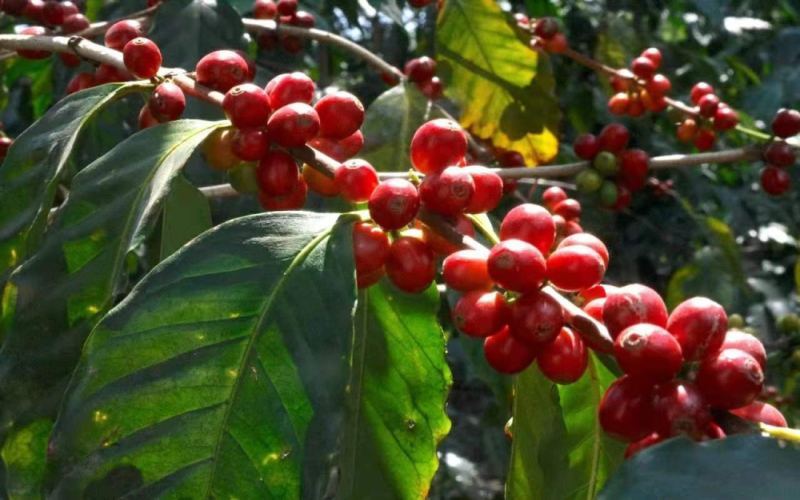
Complete Guide to Honduran Coffee: Six Major Regions, Main Varieties, and Barrel-Fermented Flavor Characteristics
Although Honduras is not as renowned as Ethiopia, it stands out in the specialty coffee world with its unique barrel-fermented processing method. Sherry coffee and Lychee Orchid coffee are prime examples, where the aromas of whiskey and brandy intertwine with the sweet notes of fruit and cream, leaving an unforgettable impression. More than three-quarters of Honduras is mountainous highlands, located in the coffee-growing belt with abundant annual rainfall, providing superior natural conditions for coffee. This article systematically reviews the terroir characteristics and flavor differences of Honduras's six major regions—Copán, Opalaca, Montecillos, Comayagua, Agalta, and El Paraíso—and introduces the main cultivated varieties such as Caturra, Catuai, and Pacas, as well as Front Street Coffee's brewing suggestions and flavor descriptions for two barrel-fermented beans from Mocha Estate, offering a comprehensive understanding of the unique charm of this Central American coffee-producing country. [more…]
A Complete Analysis of Honduras Coffee Region Classifications: The Six Major Regions and Detailed Explanation of SHG and EP Grade Standards
Honduras, through continuous investment in green bean processing and transportation in recent years, has risen to become the second-largest coffee exporter in Central America and the tenth-largest globally, harvesting approximately three million bags of coffee beans each year. Front Street Coffee's Honduran coffees cover six major regions: Copán, Opalaca, Montecillos, Comayagua, Tropical Acata, and El Paraíso, with an average cultivation altitude exceeding 1,100 meters. This article will systematically introduce the origin distribution, variety composition, export markets, and the two major quality grading standards, SHG and EP, of Honduran coffee, helping coffee enthusiasts gain a comprehensive understanding of the unique charm of this emerging Central American origin. [more…]
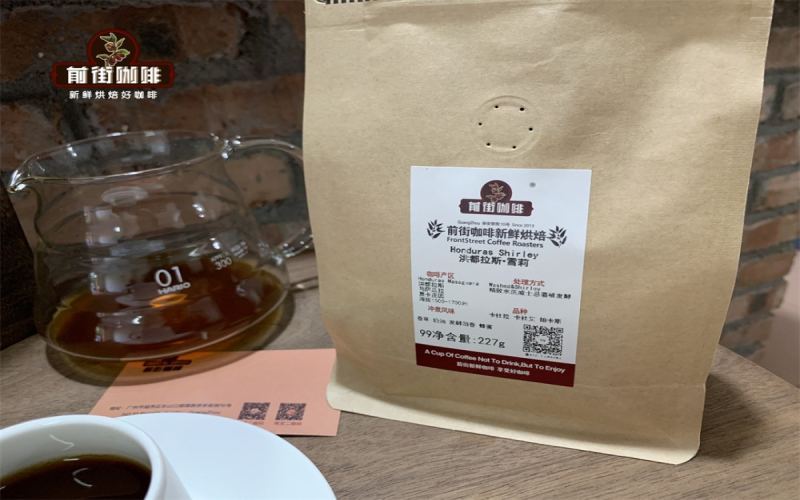
A Complete Guide to Honduran Coffee Regions: Sweet Orange Estate Catuai Variety and Pour-Over Techniques Explained
Honduras is the largest coffee-producing country in Central America, and its six major regions each have their own distinctive terroir. This article will guide you through Honduras coffee's geographical environment, the distribution of its main producing regions, the characteristics of varieties such as Caturra and Catuai, and processing methods including washed and barrel-aged fermentation. At the same time, two popular beans from Front Street Coffee, Sherry and Litchi Orchid, also originate from this country. The article will also share specific pour-over parameters and brewing suggestions to help you better savor the wine-like aroma and fruity notes of Honduran coffee. [more…]
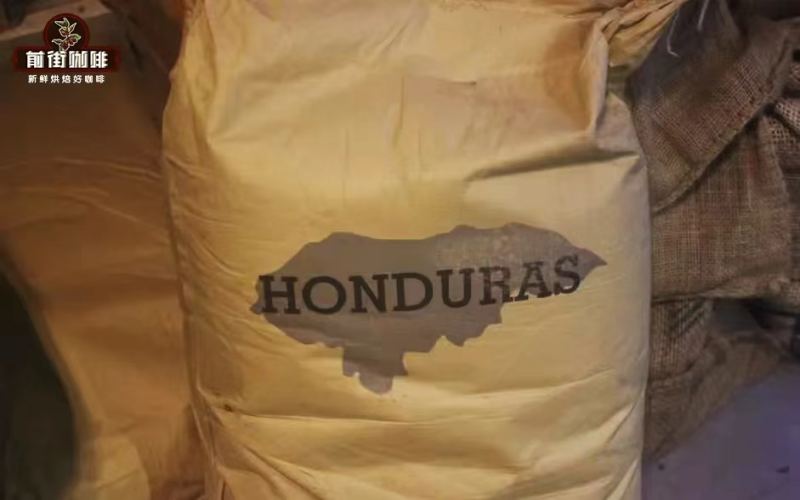
The Complete Guide to Pour-Over Honduran Coffee: Brewing Techniques and Regional Flavor Analysis of Barrel-Fermented Beans
As the largest coffee-producing country in Central America, Honduras has rapidly risen to fame in recent years thanks to its barrel-fermented Sherry and Lychee Orchid coffees. This article systematically reviews Honduras's geographical and climatic conditions, the flavor characteristics of its six major producing regions, its main coffee varieties and processing methods, and focuses on sharing Front Street Coffee's pour-over parameters and iced pour-over recipes for barrel-fermented beans. From coffee-to-water ratio, water temperature, and grind size to staged pouring techniques, it offers specific and actionable reference suggestions to help coffee enthusiasts recreate at home the unique cup experience where whisky notes and tropical fruit aromas intertwine. [more…]
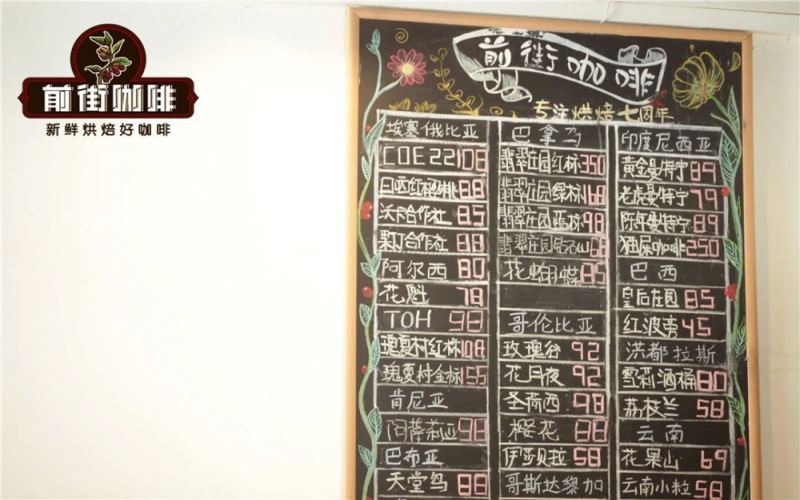
Honduran Coffee Bean Varieties, Characteristics, and Industry Story: An Analysis of Six Major Growing Regions and Barrel-Fermented Flavors
Honduras is a mountainous country in Central America, located within the coffee-growing belt, and since 2011 its coffee production has leapt to first place in Central America. This article reviews the cultivation history of Honduran coffee, the terroir characteristics and main varieties of its six major producing regions, and focuses on the characteristics, processing flow, and brewing suggestions for Front Street Coffee's Honduran Sherry and Litchi Orchid, two barrel-fermented beans. Whether you want to understand the context of Honduras's coffee industry or want to grasp the flavor differences brought by whiskey-barrel and brandy-barrel fermentation, this article can provide clear information. [more…]
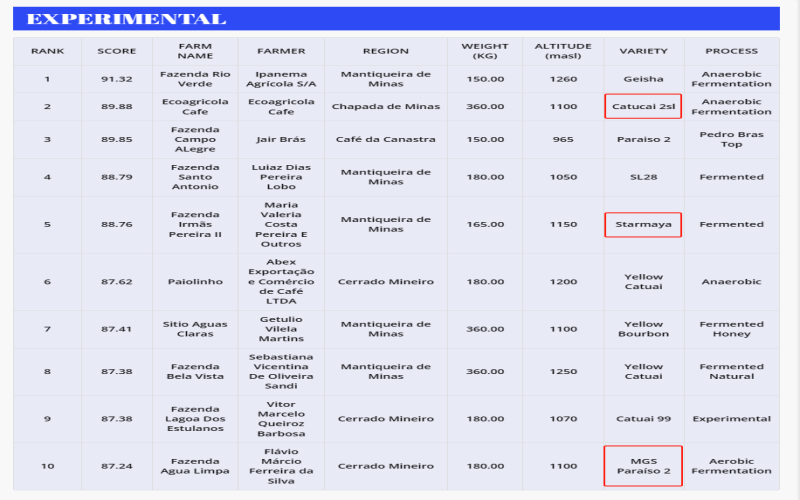
Analysis of Rare Award-Winning Coffee Varieties at Brazil's Cup of Excellence: Variety Characteristics of MGS Paraíso 2, Catucaí 2SL, and Starmaya
In this year's COE competition, the Brazil region stands out as particularly distinctive. Not only have the competition rules been adjusted, but the winning varieties also differ greatly from those of other coffee-producing countries, which is especially evident in the experimental processing group: the winning bean varieties are almost never repeated, and most are not well known to the general public. This article will focus on three standout varieties—MGS Paraíso 2, Catucaí Amarelo 2SL, and Starmaya—and outline their origins, agronomic performance, and flavor potential. For enthusiasts concerned with coffee variety diversity, this information is especially worth noting. Front Street Coffee will also continue to follow up on the introduction and evaluation of related bean varieties in subsequent content. [more…]
A Comprehensive Guide to Honduran Coffee Regions: Barrel-Fermented Flavors, Six Major Regions, and Moka Estate's Sherry and Lychee Orchid
Although Honduras is not as renowned as Ethiopia, it has carved out a place for itself in the specialty coffee world with its distinctive barrel-aged processing method. Sherry and Litchi Orchid, these two beans carrying the aromas of whiskey and brandy, come precisely from the Moka Estate in Marcala, Honduras. This article will give you a comprehensive understanding of Honduras's geography and climate, the distribution of its six major coffee regions, its main coffee varieties, as well as the flavor characteristics and brewing parameters of the two barrel-fermented beans recommended by Front Street Coffee, allowing you to grasp the charm of this Central American coffee-producing country in one go. [more…]
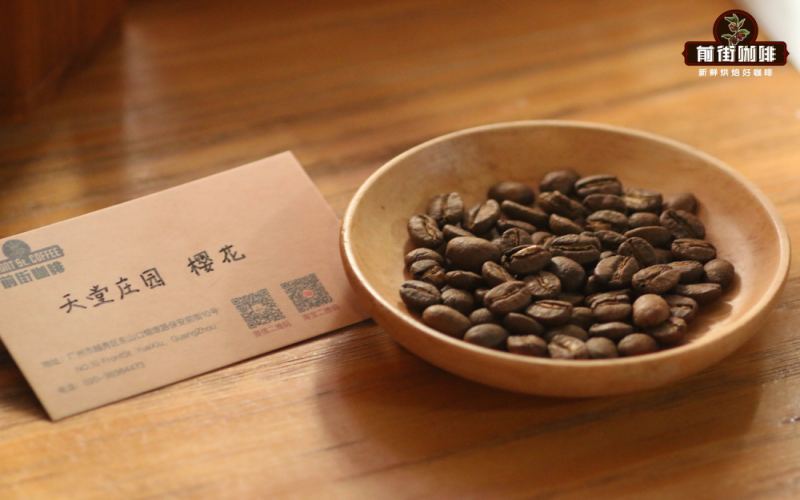
Colombia Finca El Paraiso Double Anaerobic Washed Coffee Beans: Variety Characteristics, Roasting Recommendations, and Pour-Over Brewing Guide
Luckin Coffee's recent launch of the Finca El Paraiso SOE has brought this Colombian coffee into more people's view. Finca El Paraiso is located in Colombia, and its owner, Diego Samuel, has been managing this land since 2008. Through continuous research into the production methods of specialty flavors, he won first place in a regional competition in 2015. Front Street Coffee has also imported the estate's Cherry coffee beans, which use a double anaerobic washed process and are of the Castillo variety. Front Street presents its authentic flavor with a light roast, and in cupping one can perceive notes of mugwort, basil, mint, berries, and osmanthus. This article will guide you through the background of Finca El Paraiso, its processing methods, and variety characteristics, and share Front Street's brewing parameters and extraction insights to help you better savor this unique anaerobically processed coffee. [more…]
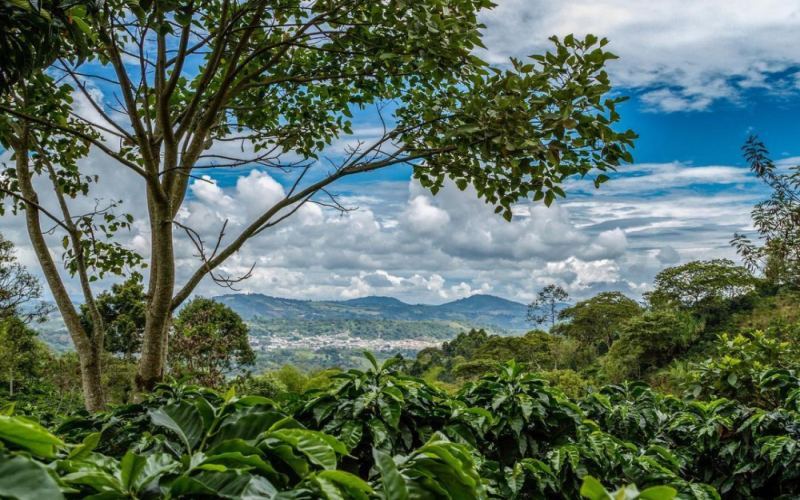
Flavor Analysis and Brewing Parameters of Colombia Finca El Paraiso SOE Double Anaerobic Washed Coffee Beans
Colombia, as the world's third-largest coffee producer, holds a special position in the international coffee market thanks to government regulations restricting the country to growing only Arabica varieties and the support of NFC institutions. Recently, Luckin Coffee launched its Little Black Cup series, featuring a Finca El Paraiso SOE, bringing this estate in the Cauca region into the spotlight. Finca El Paraiso was founded by Diego Samuel in 2008, starting as a small 2.5-hectare family estate, and rose to fame in a regional competition in 2015 through technological innovation. Front Street Coffee's bean list happens to include a Finca El Paraiso Sakura coffee bean, produced using a double anaerobic washed process, of the Castillo variety. This article will provide a detailed interpretation of this bean, covering its regional background, the principles of its processing method, variety characteristics, roasting approach, and pour-over brewing plan. [more…]
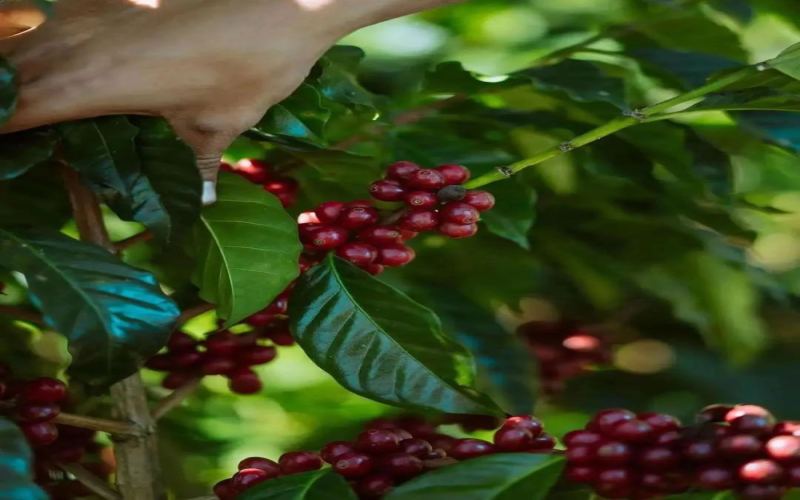
The Flavor Code of Colombian Pink Bourbon: Named Bourbon, but Possibly Hiding Typica and Geisha Genes?
In Colombia's major coffee competitions, a variety named "Pink Bourbon" frequently stands out. It is named for its fruit's delicate pink color, and was originally derived from a cross between Red Bourbon and Yellow Bourbon. However, the pink color is a recessive gene, so it must be isolated from other varieties during cultivation to maintain its color. Yet in recent years, genetic testing has revealed that many competition entries labeled Pink Bourbon do not carry Bourbon chromosomes; instead, genes from Typica, Geisha, or Ethiopian landraces have been detected. Is this a naming mix-up, or a limitation in variety identification? This article will walk you through Pink Bourbon's cultivation history in Colombia, its flavor characteristics, and the scientific controversy surrounding its mysterious origins. [more…]
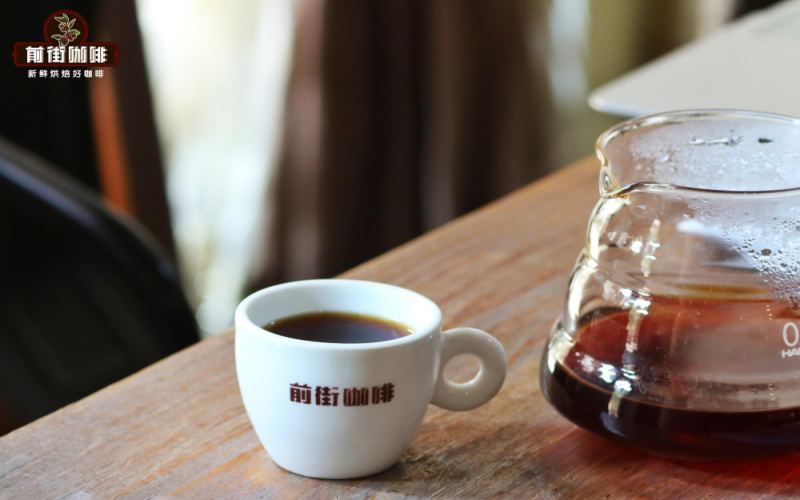
Flavor Analysis of Colombia Finca El Paraiso Anaerobic Natural Coffee Beans and SOE Extraction Guide
Finca El Paraiso is a family-run coffee estate in Colombia's Cauca region, renowned for its innovative processing methods. Its anaerobic natural coffee beans, with their pronounced fermented character and sweetness, have become a favorite among many coffee enthusiasts. In this article, Front Street Coffee will take you deep into this bean's regional background, varietal characteristics, and processing techniques, and share a complete set of insights ranging from the roasting curve to cupping flavors, all the way to V60 brewing and SOE extraction. Whether you're a pour-over enthusiast or an espresso player, you'll find practical reference parameters and key operating points here. [more…]